
Finding a Practical Place for a Small Projector
The useful place for a projector depends on the image, the room, and the small routines involved in setting it up and putting it away.

A lamp beside a chair, a speaker on a shelf, a pouch ready for the next trip. Explore the everyday places where small devices become part of the room.
The useful place for a projector depends on the image, the room, and the small routines involved in setting it up and putting it away.

A speaker is heard through the room around it. Simple comparisons can reveal the influence of shelves, walls, windows, and the place where you listen.
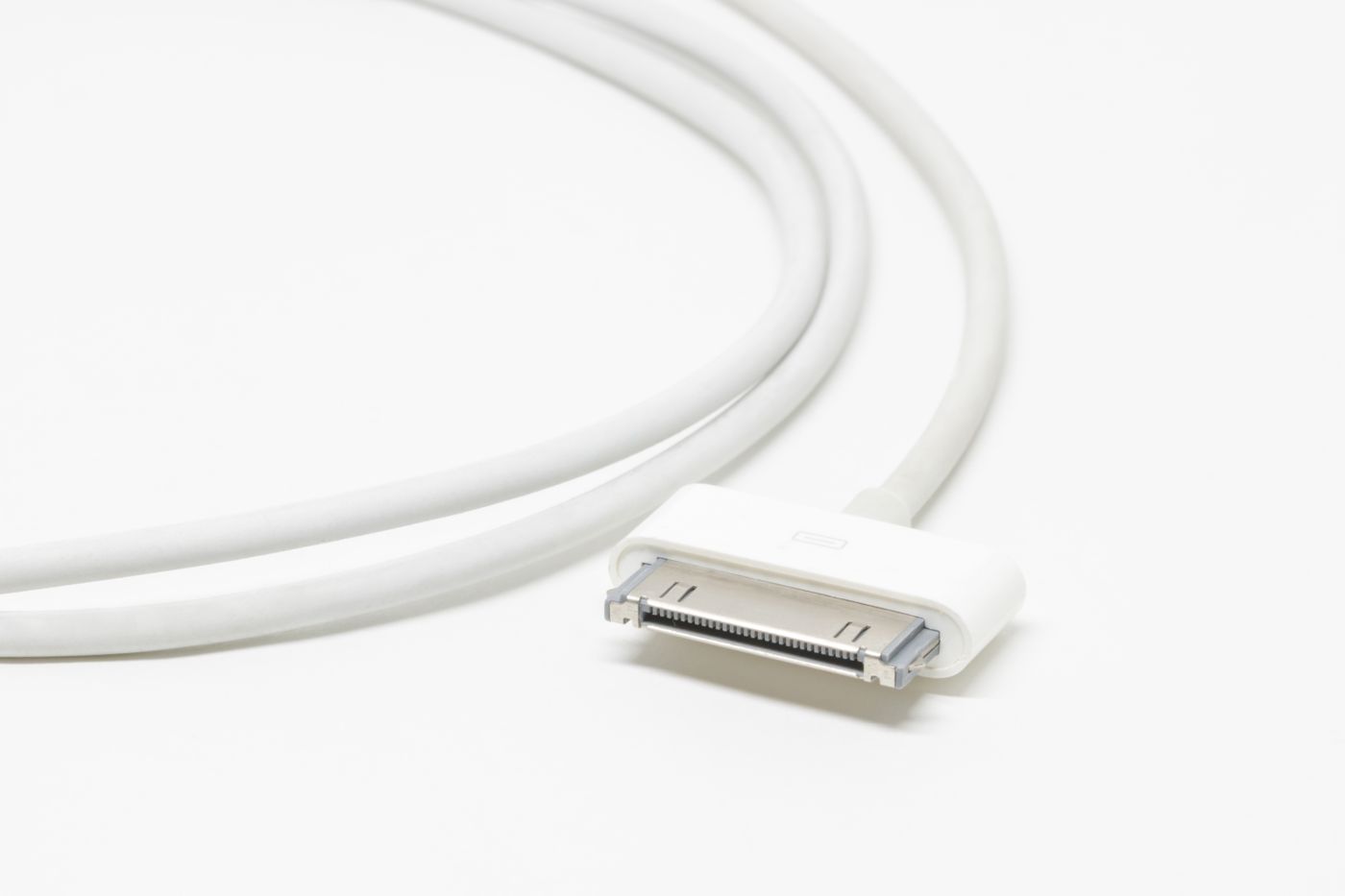
Headphones are easier to use when the case, charging lead, adapters, and occasional extras have clear places that reflect how the set is actually carried.
A charging place near the door works when it respects the movement of bags, keys, coats, and the devices that need to leave with their owners.
A smart plug can give a compatible lamp a simple switching routine when the lamp, the plug, and the room's everyday habits work together.
A small shelf becomes more useful when storage, everyday operation, and the movement of cables are treated as different needs rather than one tidy arrangement.
A portable speaker needs a little preparation before leaving and a sensible return routine afterward, so the next outing does not begin with a missing cable or an unexplained connection.
A useful accessory pouch follows the items and the bag already in use, keeping the next connection easy to find without carrying an entire drawer.
More perspectives from the archive
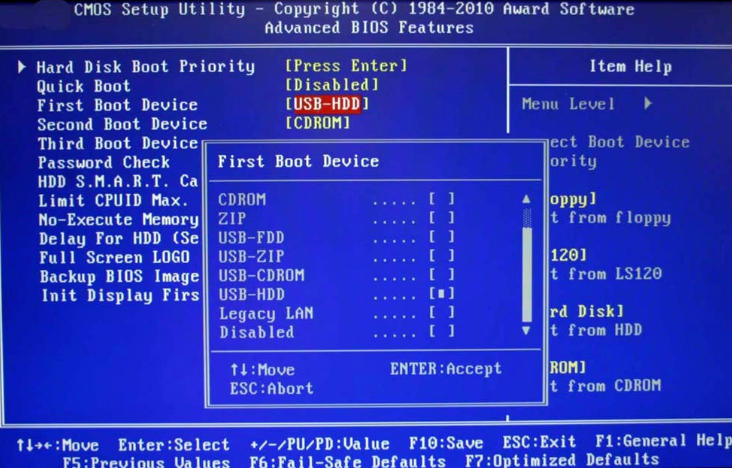
BIOS is an early 16-bit real-mode basic input/output system stored in rewritable firmware chips, while UEFI is its successor, the Unified Extensible Firmware Interface standard, which supports larger drives, faster booting, and easier maintenance, with modern motherboards generally offering both Legacy BIOS and UEFI boot modes.
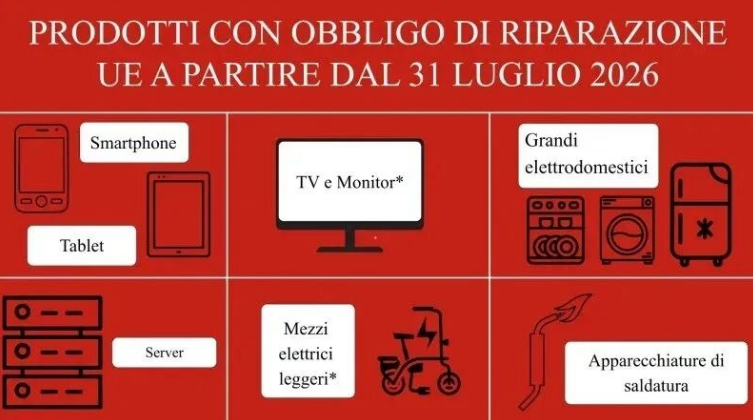
On July 31, 2026, the EU fully implemented the Goods Repair Right Directive, requiring manufacturers of phones, home appliances, and other products to provide long-term spare parts, reasonably priced repair services, and open repair access, thereby extending product lifespans, reducing e-waste, and pushing global consumption and production rules toward repairability and sustainability.
Identity theft is the fraudulent use of another person's personal information that causes serious financial and credit harm, and its impact can be effectively prevented or mitigated by recognizing common types and warning signs and by taking online and real-world measures such as strong passwords, phishing vigilance, protection of devices, documents, and sensitive numbers, backups, and risk diversification.
In the second half of 2026, the AI industry will move past hype and, driven by five major trends—AI agents, on-device AI, world models, refined cost and efficiency optimization, and embodied intelligence—head toward large-scale deployment and deeper integration into real-world scenarios.
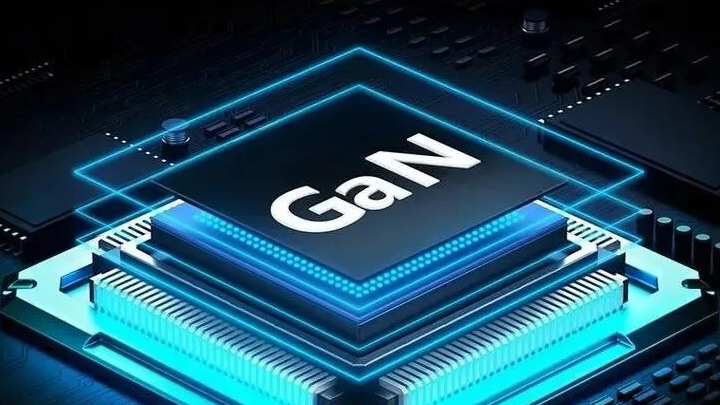
Gallium nitride, with its high efficiency, compact size, high-frequency stability, and high-temperature tolerance, enables PD fast charging to deliver faster, safer, and more broadly compatible charging while expanding its market applications.
Blindly following trends such as smart clothes-drying racks, smart curtains, smart mirrors, and large-screen refrigerators often means paying for fake needs, while truly useful smart-home devices should solve real problems, be simple to operate, and be easy for the whole family to use.
Phishing uses emails, texts, calls, QR codes, and fake websites to impersonate trusted parties and steal sensitive information, so people should rely on strong unique passwords, remain wary of unsolicited messages, avoid suspicious links, and report attacks promptly.
Cloud computing is divided by service type into IaaS, PaaS, and SaaS, which provide infrastructure, platform, and software services respectively, each with its own characteristics, advantages, and use cases, and correspond in industrial internet platforms to cloud infrastructure resources, the platform layer, and the application layer.
Native apps deliver a stronger user experience at higher development and maintenance costs, while hybrid apps trade some experience for cross-platform efficiency, so the choice depends on requirements, budget, and team expertise.
Browse the complete collection by subject.